
Longevity & Preventive Medicine
Wearables and Your Doctor: How Oura, Whoop, and CGMs Are Changing Preventive Care
Data on your wrist becomes powerful with physician interpretation. Learn how wearables like Oura, Whoop, and CGMs integrate into proactive preventive care.
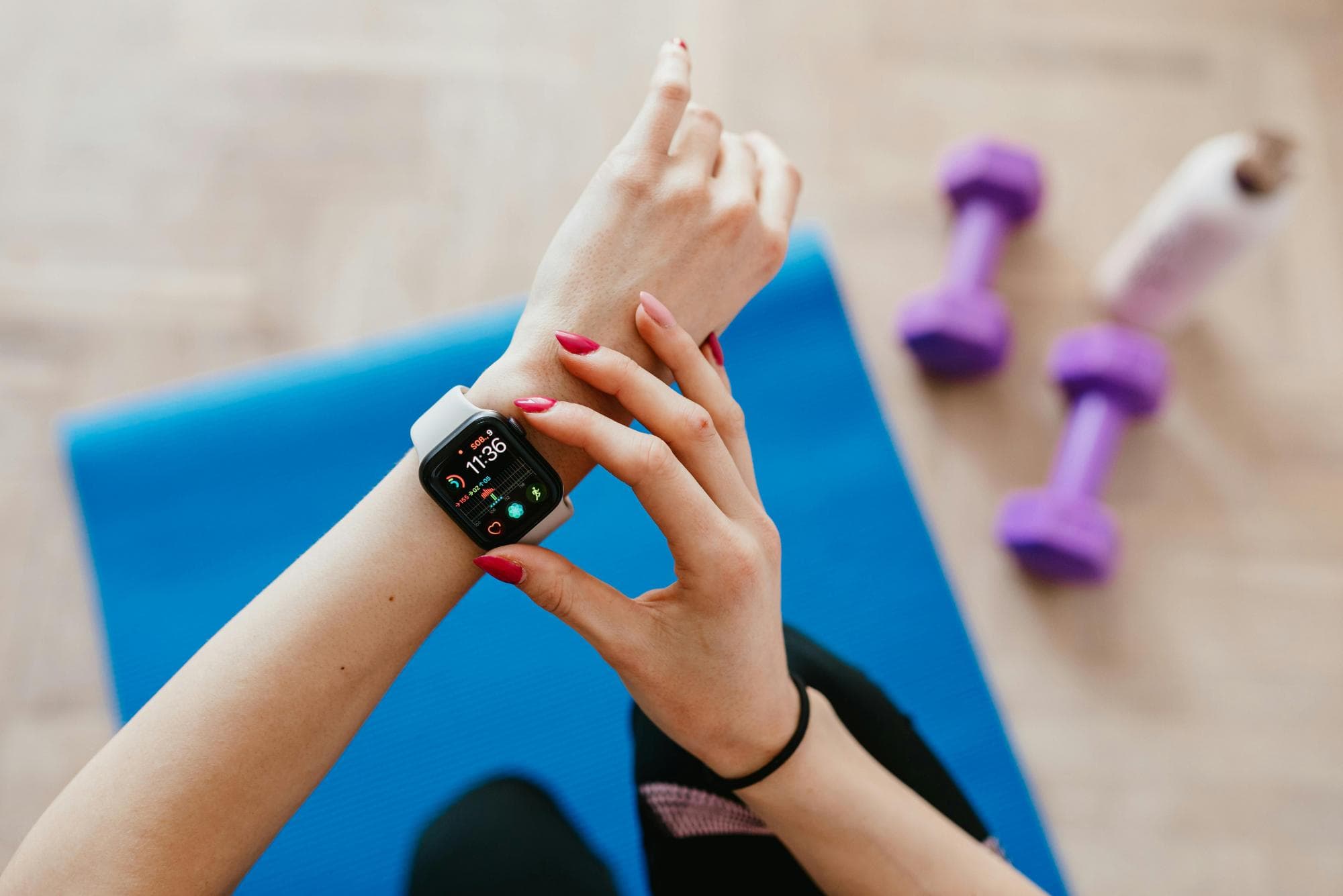
More patients arrive wearing Oura Rings, Whoop straps, and Apple Watches with questions about HRV trends, sleep scores, and glucose spikes. They possess unprecedented body data but often lack clinical context to interpret it meaningfully.
Wearable health technology has advanced significantly with better sensors and sophisticated algorithms. However, data without clinical interpretation is merely numbers and can create anxiety rather than actionable insight.
Griffin Concierge Medical integrates wearable data into clinical practice as a genuine tool, not a novelty, providing continuous health monitoring between office visits.
Consumer wearables are not medical-grade diagnostic instruments but consumer electronics with increasingly sophisticated sensors. Their value lies in identifying patterns and trends over time rather than individual measurements.
Heart Rate Variability measures variation in time intervals between heartbeats, controlled by the autonomic nervous system. Higher variability generally indicates better cardiovascular fitness and stress resilience, while declining HRV can signal overtraining, poor recovery, chronic stress, or illness onset.
Consumer wearables estimate sleep stages using motion and heart rate data, providing approximate but useful information for identifying patterns like consistently low deep sleep or fragmented cycles.
Resting heart rate is perhaps the simplest and most reliable wearable metric. A gradually rising resting heart rate can indicate deconditioning, increased stress, developing illness, or medication effects when tracked over months.
Continuous Glucose Monitors measure interstitial glucose levels every few minutes. Originally designed for diabetes management, they reveal how the body responds to specific foods, exercise timing, sleep quality, and stress, information invisible on fasting glucose tests.
The Oura Ring excels at sleep tracking and readiness scoring with best-in-class sleep staging, skin temperature tracking for early illness detection, and discreet form factor improving compliance.
Whoop is designed for athletes and high-performers, strongest in quantifying daily strain against recovery capacity with continuous strain monitoring, recovery scoring calibrated to individual baselines, and a journal feature for correlating behaviors with outcomes.
Apple Watch offers the broadest feature set including FDA-cleared ECG for atrial fibrillation detection, blood oxygen monitoring, fall detection, and emergency SOS functionality.
A two-to-four week CGM trial can reveal postprandial glucose spikes masked by normal fasting levels, glycemic impact of specific foods, how exercise timing affects glucose control, sleep deprivation effects on insulin sensitivity, and stress-driven glucose elevations.
CGMs have limitations: normal glucose fluctuates throughout the day, and not every spike indicates a problem. Without clinical guidance, users can develop unhealthy fixations on physiologically normal numbers or restrict perfectly healthy foods.
A clinical example shows how a member's declining Oura Ring HRV trends, combined with increasing resting heart rate and deteriorating sleep scores, preceded lab findings of elevated cortisol, thyroid dysfunction, and systemic inflammation that wouldn't have been caught at a standard annual physical.
Wearables can generate anxiety as often as insight without clinical context. A low readiness score doesn't indicate sickness, and a glucose spike doesn't necessarily mean prediabetes. Accuracy varies significantly, and they measure proxies rather than diagnoses.
Some individuals become so focused on optimizing wearable scores that tracking itself becomes stressful, the opposite of the devices' intended purpose.
The most effective use of wearable technology complements physician-guided care rather than replacing it. The device collects data while the physician interprets it, creating a more complete picture together.
Griffin Concierge Medical incorporates wearable data through trend review during visits alongside labs, between-visit monitoring for triaging complaints more effectively, CGM-guided metabolic optimization coordinated with lab work, and recovery protocol monitoring without frequent office visits.
Continue reading.

Longevity & Preventive Medicine
Stress, Cortisol, and the Executive Burnout Cycle
Burnout is not a mindset problem. It is a physiological state with measurable hormonal, metabolic, and inflammatory consequences that requires a medical response.

Longevity & Preventive Medicine
ApoB, Lp(a), and hsCRP: The Advanced Cardiac Labs Your Doctor Should Order
Why 'normal' cholesterol doesn't mean you're safe, and which biomarkers, ApoB, Lp(a), hsCRP, actually predict your risk of a heart attack.
Longevity & Preventive Medicine
Baseline Tests Are Essential to Achieving Optimal Health
Continue reading the Griffin Journal's coverage of why baseline lab testing forms the foundation of a personalized preventive health plan.
READY TO BEGIN
Concierge medicine starts with a conversation.
Concierge medicine is a relationship. Every relationship begins with a first conversation. Tell us what brought you here, and we will tell you honestly whether Griffin is the right fit.
Begin a Membership Inquiry